Food Industry Disruption

Matthew Chang, PE
Founder
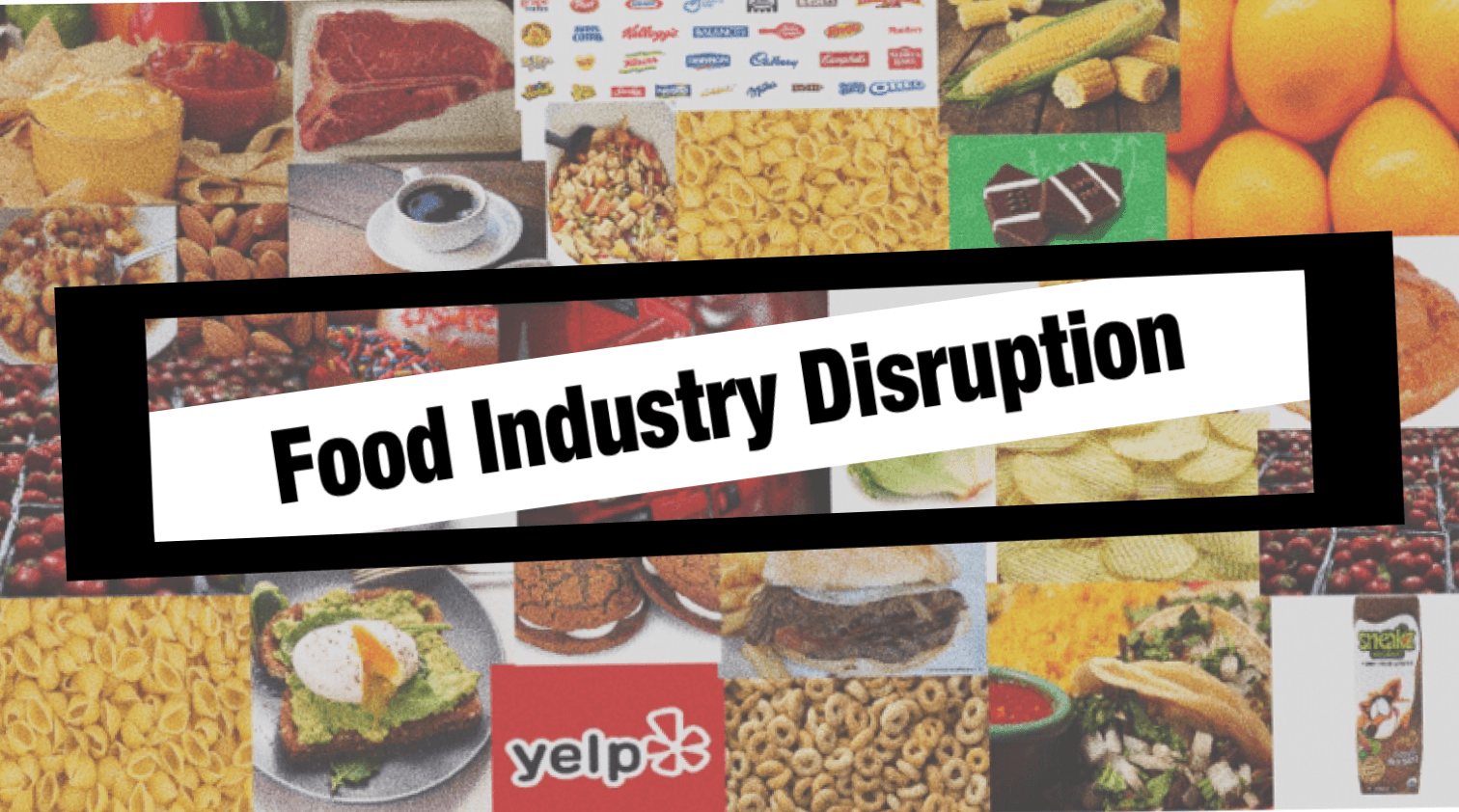 Fig. 01Articles and Media
Major portions of the food supply chain stand to be disrupted. One area in particular is big, centralized agriculture. Big agriculture has been the subject to many national issues, such as vegetable and fruit recalls, most prominently leafy greens like lettuce. There are many reasons that disruption in the food supply chain will contribute to the decline in mega-agriculture and many reasons why urban agriculture is set to rise.
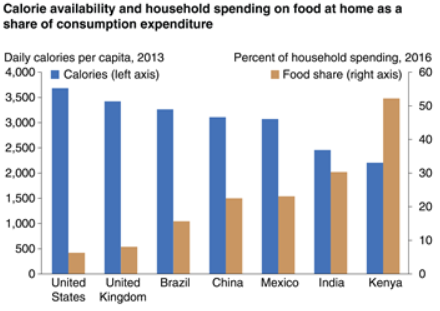
“Big Food”, also known as mega-producers, is on the defensive. Pervasive market trends are being driven by the rising consumer relevance of millennial's (and gen Z’s), e-commerce, labeling, and declining brand loyalty. Here we focus on some of the primary drivers that make the food industry ripe for disruptive change. To set the stage for industry change, we must focus on the macro-economics. In 1950’s food accounted for 15% of our household income, today it accounts for 6%. This dramatic change in affordability, combined with technology, is helping to fuel new industry trends.
Millennial's – newer generations are much celebrated, and much scorned by aging marketing professionals, for wanting something new. They don’t feel tied to the same bonds that their parents formed with food. The “experience” of foods rules the day and consumers are seeking a more intimate, personal experience with food, all the while it must increase in convenience. For this to take place, food needs to have a story and the consumer needs to know where it came from.
E-Commerce – the internet is connecting food consumers to food producers. Food is commercially for sale on the internet and direct-to-consumer meal kit companies are growing at a rapid pace. Beyond the sale of food, the internet is connecting consumers to food via popular sites such as Yelp, Foursquare, Google Maps, and through social media. This increases transparency to the consumer as food providers and restaurants become only as good as their last meal.
Labeling – one must now be an expert to discern all labels that exist on modern packaging. Organic, fair trade, non-GMO, gluten free, allergen free, zero sugar, zero calorie, no nitrates, fat free, heart healthy, real fruit, and countless other labels now adorn our food products. All of this labeling is an effort to build trust and show the consumer that this food product is more trustworthy or more ethical than the other choices.
Declining Brand Loyalty – Developed countries are seeing dramatic declines in brand loyalty. The net effect is that established brands are having to offer more choices (SKU proliferation) and offer more sub-brands. We recommend the simple exercise of examining which brands belong to PepsiCo or Campbell’s Soup to highlight the actions of established brands in response to the decline of traditional brand loyalty. New entrants to the market rule the day and often times command superior prices.
Conclusion:
Urban agriculture presents a unique opportunity to get ahead of pervasive industry trends. For the consumer; local, fresh, sustainable, and organic are now available at a cost of goods competitive with mega-agriculture via urban agriculture. For the commercial food provider; seasonality, contamination, pricing volatility, and quality control issues have been removed from the supply chain. Recent technological advances, in combination with current market trends, have created an opportunity for calculable and rapidly deploy-able urban agriculture solutions that can disrupt major portions of the fresh food value stream.
Matthew Chang, PE
Founder
Matthew founded Chang Robotics in 2017 and brings two decades in advanced manufacturing, with engineering projects across 20 disciplines.
Keep Reading
Related Articles
 01
America can manufacture at cost-parity with China
Automation shrank labor’s share of unit cost, which changes what the US is competing on. Matthew Chang on why parity with China is reachable, and what has to be true about the workforce for it to happen.
Oct 20, 2026Read → 02
Nobody Is Building a New Plant Without Automation (Matthew Chang on Cheddar)
Matthew Chang on Cheddar: automation used to need a financial justification, and in 2026 it is the base case. What that changes about new plants, and about who works in them.
Oct 13, 2026Read → 03
There Is Not Enough Skilled Labor for the Factories Being Built (Matthew Chang with Jane King)
Every industry vertical is expanding at the same time, the skilled workforce to staff those plants does not exist in the numbers required, and supply chains are stretching. Matthew Chang’s advice to any manufacturer weighing automation is to get the plan lined out now, because the speed at which you move is a decision you can make later.
Oct 13, 2026Read →
Done Reading? Let's Talk About Your Floor.
Tell us what you're trying to solve. We'll tell you what automation can and can't fix.